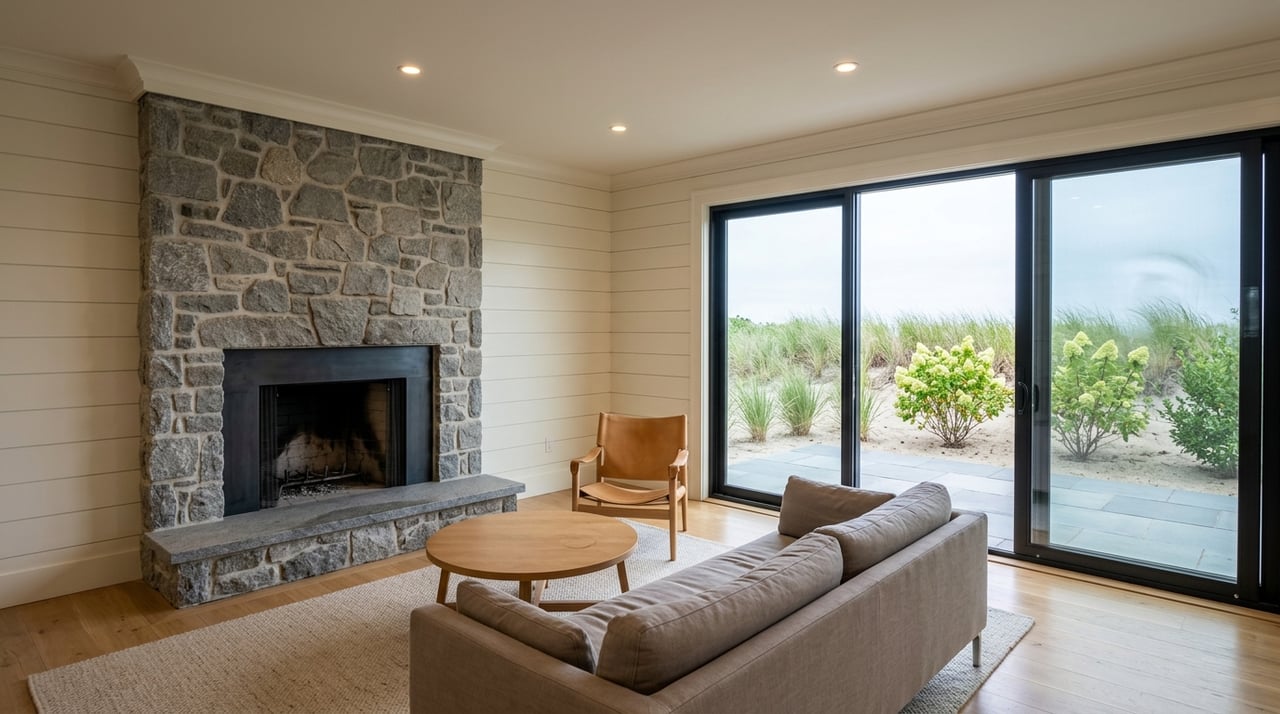
Dreaming about a place near the ocean that you can enjoy for years to come? Buying a second home in Maine’s beach towns can be exciting, but it also comes with questions about seasonality, rental rules, carrying costs, and coastal due diligence. If you are considering York County, Ogunquit offers a useful example of what second-home ownership can really look like, and understanding the details can help you buy with more confidence. Let’s dive in.
Why Maine beach towns attract second-home buyers
Maine’s coastal towns appeal to buyers who want a mix of lifestyle and long-term value. In places like Ogunquit, you get public beach access, nearby attractions, and a strong seasonal rhythm that shapes how the town feels throughout the year.
Ogunquit’s planning documents show that tourism plays a major role in the local economy, with accommodations, food services, and short-term rentals forming a big part of the town’s activity. The town is known for Ogunquit Beach, Footbridge Beach, Marginal Way, and Perkins Cove, which gives second-home buyers a clear picture of the lifestyle they are buying into.
What seasonality means for ownership
Seasonality is one of the biggest factors to think through before you buy. Ogunquit’s tourist season has grown well beyond the traditional July and August peak and now stretches roughly from April through November, with another bump in December.
That longer season can be a plus if you want more time to use your home each year. At the same time, it means the town can feel busy in warmer months and much quieter in winter, especially from January through March when traffic drops off.
For many buyers, that contrast is part of the appeal. You may enjoy the energy of summer, then come back in spring or fall for a slower, quieter experience that still offers much of the same scenery and access.
Choosing the right property type
The best second home for you often depends on how you plan to use it. In Maine’s beach towns, buyers usually compare condos, cottages, and single-family homes, and each option comes with different tradeoffs.
Condos for simpler upkeep
A condo can work well if you want a more structured ownership setup and less exterior maintenance. That can be especially appealing if you live out of state or only plan to use the property part of the year.
Still, condo ownership usually includes monthly or recurring HOA or condo fees, and those costs may be separate from your mortgage payment. Before you buy, it is important to understand not just the purchase price, but the full monthly cost of ownership.
There is also a financing angle to consider. Second-home lending standards can be stricter than many buyers expect, and lender rules may affect whether a condo qualifies based on occupancy and control of the property.
Cottages with seasonal charm
Cottages are part of the classic Maine coastal appeal, but they may need extra review during financing and inspections. Some properties feel ideal as vacation homes, yet the lender and appraiser still need to determine whether the home fits second-home guidelines.
That issue can become more important if a cottage has seasonal limitations. In some cases, financing may still be possible, but the property needs to be evaluated in a way that reflects similar homes with comparable seasonal use.
Older cottages may also need more hands-on care. In Ogunquit, septic pumping schedules vary depending on whether the home is in the Shoreland Zone, and the town requires official trash bags for disposal. Small ownership details like these matter more when a home will sit vacant for part of the year.
Single-family homes for flexibility
Single-family homes often give you the most freedom in how you use, update, and manage the property. If you want more privacy, more space, or fewer shared rules, this option may be the best fit.
That flexibility also comes with more responsibility. Your full housing cost may include principal and interest, property taxes, homeowner’s insurance, flood insurance where required, mortgage insurance if applicable, and HOA fees if the property is part of an association.
Using your second home as a rental
Many buyers consider renting their second home for part of the year to offset costs. In Ogunquit, that can be part of the ownership strategy, but the local rules matter.
Weekly rentals are the local pattern
Ogunquit defines weekly private home rentals as transient accommodation type 1, and the minimum stay is seven days. That means the local model is more aligned with weekly vacation stays than short weekend turnovers.
The town also requires owners who rent a weekly private house, apartment, condominium, or other dwelling unit to apply for a business registration. If rental income is part of your plan, this should be something you review early, not after closing.
The rental market is active but seasonal
Ogunquit has a meaningful short-term rental market, with town planning data showing a substantial number of active units. Different town documents counted rentals in different ways and at different times, so the totals are best understood as directional rather than exact comparisons.
Even so, both sets of data point to the same takeaway: short-term rentals are a real part of the local housing and tourism economy, and activity peaks in the third quarter. For a second-home buyer, that reinforces the importance of understanding both local demand and local rules.
Tax treatment matters too
If you rent out a Maine property, tax rules can affect your planning. Maine Revenue Services says the rental of living quarters in Maine is taxed at 9%.
There is also an important threshold to know. If you have only one rental unit and rent it for fewer than 15 days in a calendar year, Maine says you are not considered a retailer and do not need to register. Once rentals reach 15 days or more, registration and tax collection are required.
Federal tax treatment changes at that same 15-day mark as well. If the property is rented for fewer than 15 days during the year, rental income generally does not have to be reported, but once rentals reach 15 days or more, rental income becomes taxable and expenses are allocated between personal and rental use.
Financing a second home in Maine
Your loan options depend heavily on how you plan to occupy the property. For many buyers, one of the biggest surprises is that a second home is not financed the same way as a primary residence.
Fannie Mae’s second-home standards require that the property be occupied by you for some portion of the year, be a one-unit dwelling, be suitable for year-round occupancy, remain under your exclusive control, and not be subject to a rental-pool or management agreement that controls occupancy. If you plan to rent the home at times, that does not automatically rule out second-home financing, but rental income cannot be used to qualify under those second-home rules.
Some mortgage products are also off the table for second-home purchases. For example, HomeReady is for principal residences, not second homes, and VA loans are only for primary residences.
This is one area where your real estate strategy and financing strategy need to match from the start. Before you narrow in on a property, it helps to be sure your lender’s definition of a second home lines up with your actual use plan.
Budgeting for ongoing ownership costs
The purchase price is only one part of the financial picture. In a beach town, the recurring costs of owning a second home deserve just as much attention.
In Ogunquit, the FY 2025-26 property tax rate is $6.73 per $1,000 of assessed value. Tax bills are due on October 15 and April 15, and assessments are tied to the owner of record as of April 1.
Those local details matter when you are building a realistic annual budget. If you are comparing multiple properties, a lower-maintenance condo and an older standalone home may have very different total ownership costs, even if the purchase prices are similar.
Parking can also shape your day-to-day experience more than you might expect. Ogunquit offers seasonal parking passes for residential property owners and year-round renters, and those passes are valid in the town’s paid lots from mid-April through October 31.
At the same time, the town prohibits overnight parking on public ways, lots, and property from midnight to 6 a.m. If easy beach access and summer convenience matter to you, parking should be part of your property review.
Coastal risk and due diligence
Any second-home purchase near the coast should include a close look at flood and climate-related risk. This is especially important in a place like Ogunquit, where beaches, Marginal Way, Perkins Cove, and beach parking lots are identified in planning documents as vulnerable to sea-level rise.
Flood mapping is a key first step. FEMA notes that areas with a 1% annual chance of flooding have at least a one-in-four chance of flooding during a 30-year mortgage, which is why flood-zone review and insurance implications should be taken seriously before you make an offer.
Maine’s coastal-hazard agencies also identify storm surge, erosion, and sea-level rise as major threats along the coast. That does not mean every property faces the same level of risk, but it does mean every buyer should verify the property-specific details.
A smart second-home checklist
If you are serious about buying a second home in Maine’s beach towns, a little upfront diligence can save you time, money, and stress later. In a market like Ogunquit, these are some of the most important items to confirm:
- Verify the flood zone and ask about flood insurance requirements
- Confirm septic status and pumping obligations
- Review any seasonal access or occupancy limitations
- Read condo documents, association rules, and rental restrictions if applicable
- Check parking access and how local parking rules may affect summer use
- Make sure your lender’s occupancy definition matches your actual plan for the property
- Understand whether you may need business registration for rentals
- Budget for taxes, insurance, maintenance, utilities, and any HOA fees
The bottom line on buying a second home
A second home in a Maine beach town can be an incredible lifestyle purchase, but the best outcomes usually come from balancing emotion with preparation. The ocean views, stunning coastal spots, and seasonal energy are easy to fall in love with, but the property itself still needs to fit your budget, financing, and long-term plan.
In towns like Ogunquit, success often comes down to asking the right questions early. If you understand the seasonality, local rental rules, ownership costs, and coastal risks before you buy, you will be in a much better position to choose a home that feels rewarding rather than complicated.
If you are exploring second-home opportunities along Southern Maine’s coast, working with a local expert can help you compare property types, understand town-specific details, and move forward with clarity. When you are ready to talk through your goals, connect with Bailey Pate.
FAQs
What should you know before buying a second home in Ogunquit, Maine?
- You should understand seasonality, local rental rules, parking restrictions, carrying costs, flood-zone questions, and whether the property fits your lender’s second-home guidelines.
Can you use a second home in Ogunquit, Maine as a short-term rental?
- Yes, but Ogunquit’s local rules matter. Weekly private home rentals require a minimum stay of seven days, and owners who rent qualifying dwellings must apply for a business registration.
Do condo fees count when budgeting for a second home in Maine?
- Yes. Condo or HOA fees are separate costs that can materially affect affordability and should be included in your full monthly and annual ownership budget.
Are all coastal cottages in Maine easy to finance as second homes?
- Not always. A lender and appraiser need to determine whether the property meets second-home requirements, especially if it has seasonal limitations.
Why is flood-zone research important for a beach-town home in Maine?
- Flood-zone research helps you understand insurance needs and long-term risk, which is especially important in coastal areas where storm surge, erosion, and sea-level rise are part of the due-diligence picture.